Showing posts with label quilts. Show all posts

Sunday, July 22, 2018

The designer flour sack, from mid-1800s to mid-1900s


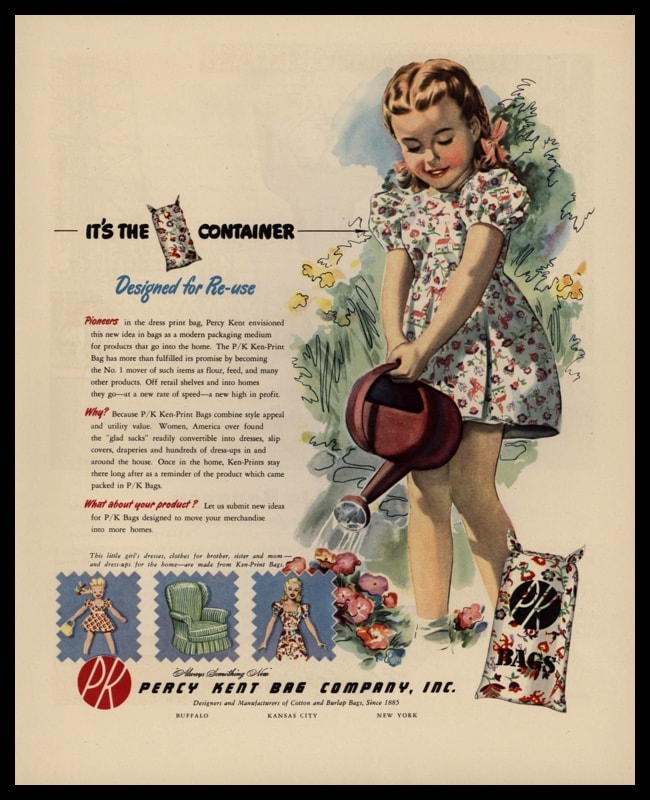
Ad for a bag company showing some of the things made with their products.

People used every bit of the wheat plant – chaff, straw, and leaves. They also used all of the containers that carried the wheat, flour, hardtack, and all else made from the plant. Boxes, barrels, and tins held the flour and wheaten foods, along with sugar, salt,  animal feed, and fertilizer before about 1850.  From the mid-1800s until the mid-1900s, companies packaged flour and feed in cotton sacks that were cheaper, took up less space,  and were more durable. Stitching machines invented in the mid-1800s reinforced the seams to make them even sturdier.

It made sense: fabric cost a lot, and most people had the habit of re-using things as much as possible. The average family used enough flour that they often bought it in fifty and hundred-pound sacks. One sack would make a child’s outfit, and three were enough for a woman’s dress. Women used cotton fabrics for curtains, bedspreads, underwear (which they made themselves), diapers, and toys. When an item had outlived its first life, women recycled the fabric into strainers, dish towels, scrub rags, braided rugs, quilts, and tote bags. Even the strings that tied the mouths of the bags shut had new lives in knitted and crocheted goods.
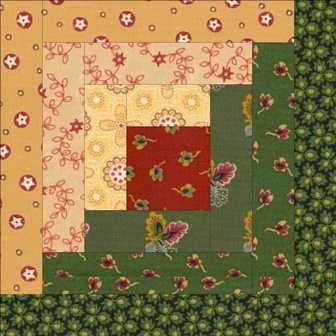
Log cabin quilt made with fabrics that could have come from flour sacks (National Park Service)

It didn’t take long for flour merchants to realize that women would buy the brand of flour with the nicest bags. They created fashionable florals, novelty designs, border prints, patterns for children’s stuffed toys. The instructions printed on the bags, and the company’s logo washed out, leaving permanent colors for the prints. Kansan Nancy Jo Leachman who collects flour sacks said that one mill advertised on the bag that its sacks were  “[M]ade of percale, which makes a better dishtowel than our competitors.”

We think of the flour sack clothing as uniquely American, but Europeans, Chinese, and other cultures that relied on flour made similar uses of the bags.

The clothes had downsides. If the person who made your clothes (which could be you if you were 9 or 10 years old, or your mother or an older sister) hadn’t mastered seamtressing, your clothes did not look like a tailor made them, or store-bought. You and all of your siblings might have matching shirts and dresses, setting you apart as poor kids. For all of the admirable frugality and creativity that a flour sack dress could represent, often the most obvious message was one of class.
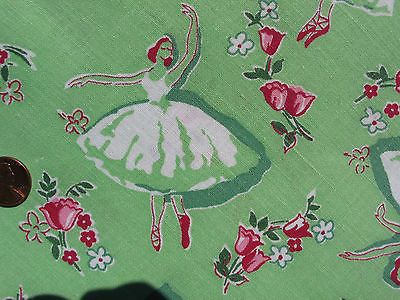
A fanciful flower sack pattern showing a ballerina (Kindness blog).

World War II demanded that citizens sacrifice many things for the military. Uniforms needed cotton, so manufacturers began to ship more flour in paper bags. Still, Disney licensed Alice in Wonderland and other characters for flour bags in 1951, and people were winning contests for the best flour sack dresses as late as 1959. These days, high end housewares stores sell cotton "flour bag" style towels for a premium, printed with patterns that twenty-first century buyers find charming rather than the prints that appealed to the earlier flour sack buyers.
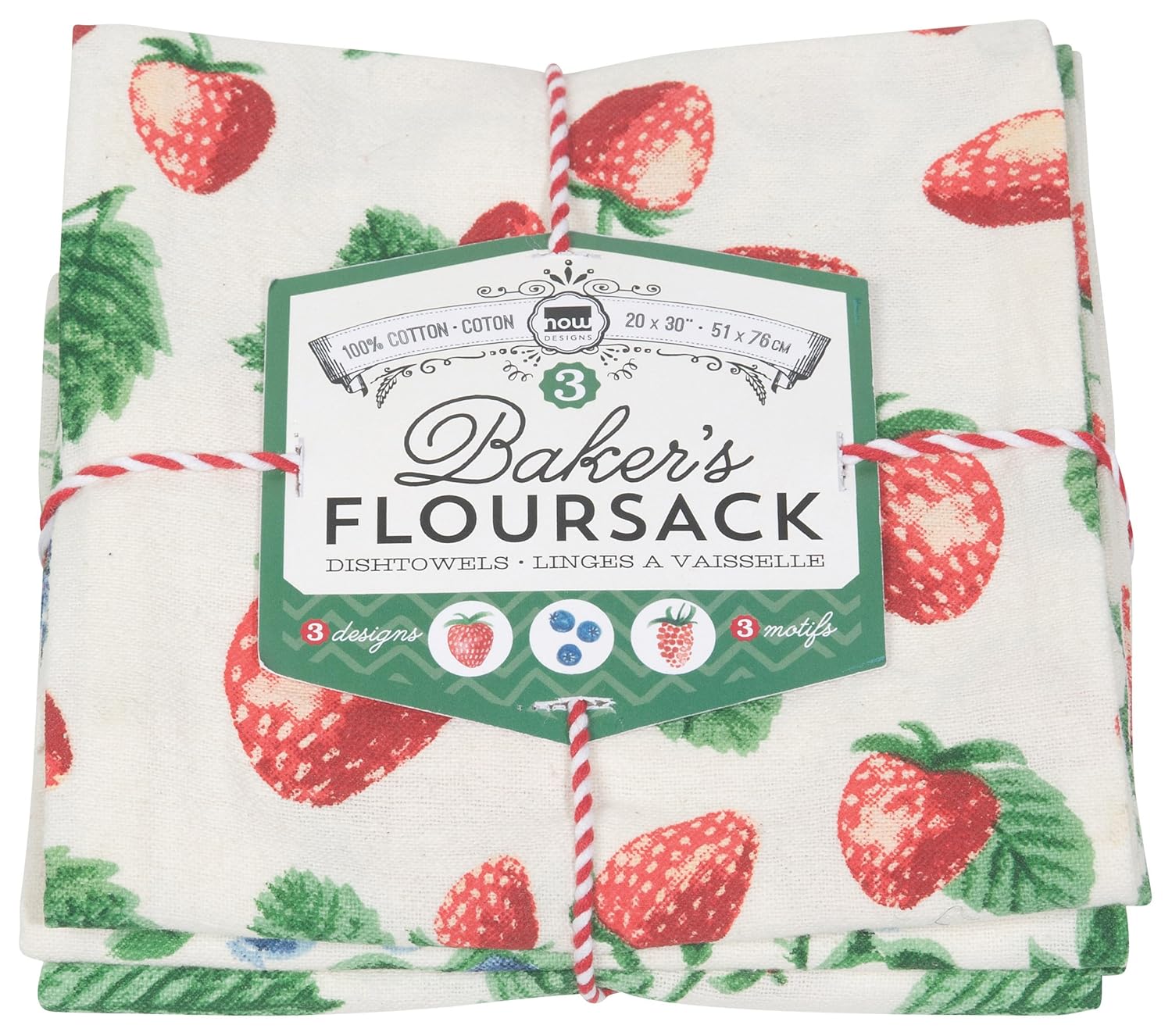
Modern flour sack towels by Now Designs.

Thanks to Pat Fitzharris Newman for the inspiration for this post.


Wednesday, October 28, 2015

Alaska State Fair, Saturday afternoon


crowds running to cars
Ferris wheel turning beyond
gold wheat bent by rain


            The Ferris wheel is halfway to the top when the rain starts. I’m strapped into one of the chairs by myself, dangling, swinging, sulking as the wheel halts, listening to my stomach growl. I was too busy arguing with Dad about something dumb to eat lunch. Down below the carnies are letting people out, but we are just getting started. We’ll be here a long time. I’ll shrivel and float away from starvation probably.

            My hair is dripping down into my eyes, and I’m trying to keep my phone dry beneath my blue jacket. Some girls were screaming, but they must have worn out. The tinny organ carnival music rises up against the rain, up from the bright lights of the corndog vendors and ice cream stands. On the paths, people run to the exhibit halls and to their cars to get dry. Wimps. I am loving the rain. Not, but I can pretend I’m tough until the smell of fried dough drifts up all around me.
            The chair lingers at the top and I look out at our wheat fields on the other side of the road. The ripe golden heads bend beneath the wind’s strokes, beneath its voice, swaying in the lashings of rain. I watch them bowing in the afternoon gloom, wondering if we can finish the harvest. Dad sold most of it to a distillery and it would be cool to have some of the vodka.
            Dozens of quilts hang in the exhibit halls below. My mom’s is there, my aunt’s, Jannie who cuts my hair. Everyone around here quilts. They like the ones with a thousand little pieces that fit together like puzzles, like lives on a farm never fit together. I like the quilts with stories in them, the ones with the Knik River and Pioneer Peak, with the ravens and auroras. People are sentimental about their quilt patterns. Right now I’m thinking about the one with appliques of salmon on it that won the big purple Grand Champion ribbon.

            I can see the barn where the farmers and 4-H kids take their giant pumpkins and cabbages to be admired. My pet zucchini grew fat this year – twenty-five pounds, but all crookedy. No reason to even enter it. The summer was too hot for zukes, but perfect for the wheat. If it doesn’t go all soft, I’ll carve a vampire zucchini for Halloween.
            The rain lessens as the wheel lurches to the bottom. The Saturday afternoon crowd drifts back into the Midway, and the carnies beg them to toss the ball, throw the dart, bet on the racing rats (they’re really gerbils). The sun breaks through the clouds. Dad will be happy when he can run the combine through the wheat, happy when it’s already vodka, happy when he can worry about what kind to plant next year. Then he’ll forget about me.


            I head straight for the fried butter stand, already tasting that crispy brown batter, and feeling the hot butter running down my chin. Then I’ll head over to the big barn to watch the 4-H turkeys being auctioned off.     

too hot for huge squash
and no prize wheat at this Fair           
but fine crop of quilts